Cloud computing has transformed how businesses operate, and msft azure stands at the forefront of this revolution. As Microsoft’s comprehensive cloud platform, it offers unmatched scalability, security, and integration. Whether you’re a startup or a global enterprise, msft azure delivers powerful tools to drive innovation and efficiency.



What Is msft azure and Why It Matters

msft azure, commonly known as Microsoft Azure, is a cloud computing platform launched by Microsoft in 2010. It provides over 200 services, including computing, analytics, storage, and networking. Designed for flexibility, msft azure supports a wide range of operating systems, programming languages, and frameworks—both Microsoft-based and third-party.
Core Components of msft azure
The foundation of msft azure lies in its modular architecture. Key components include virtual machines, blob storage, Azure Active Directory, and Azure Kubernetes Service. These building blocks allow developers and IT professionals to create, deploy, and manage applications seamlessly across global data centers.
- Compute services like Virtual Machines and Azure Functions
- Storage solutions such as Blob, Disk, and Queue Storage
- Networking tools including Virtual Networks and Load Balancers
Each component integrates with others through APIs and automation tools, enabling robust cloud ecosystems. For more details, visit the official Microsoft Azure overview.
Global Reach and Data Center Infrastructure
One of msft azure’s standout features is its global footprint. With over 60 regions worldwide, it offers one of the largest cloud infrastructures. This geographic spread ensures low latency, high availability, and compliance with local data regulations like GDPR and HIPAA.
“Azure’s global network spans more countries than any other cloud provider, making it ideal for multinational organizations.” — Microsoft Azure Official Site
Regions are grouped into geopolitical zones, allowing businesses to host data where it’s most compliant and performant. This is crucial for industries like finance, healthcare, and government.
Key Benefits of Using msft azure
Organizations adopt msft azure not just for its technical capabilities but for tangible business outcomes. From cost savings to faster time-to-market, the platform delivers measurable value.
Cost Efficiency and Pay-as-You-Go Model
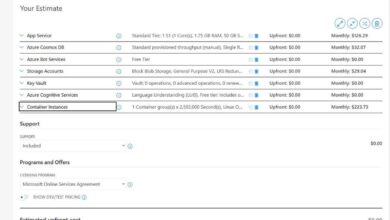
Unlike traditional on-premise infrastructure, msft azure operates on a consumption-based pricing model. You only pay for what you use, which eliminates upfront capital expenses. Tools like the Azure Pricing Calculator help estimate costs before deployment.
- No long-term contracts required
- Reserved instances for up to 72% savings
- Free tier with 12 months of popular services
This flexibility makes msft azure accessible to startups and SMBs while still scaling for enterprise needs.
Scalability and Elasticity
msft azure enables automatic scaling based on demand. Whether traffic spikes during a product launch or drops overnight, Azure adjusts resources dynamically. Services like Azure Autoscale and Azure Monitor ensure optimal performance without manual intervention.
For example, an e-commerce site can scale up web servers during Black Friday and scale down afterward—saving costs and maintaining user experience. This elasticity is a game-changer for modern digital businesses.
Security and Compliance in msft azure
Security is a top priority for any cloud platform, and msft azure excels in this area. It combines physical, network, and application-level protections to safeguard data and applications.
Built-In Security Features
msft azure offers advanced security tools out of the box. Azure Security Center provides unified security management and advanced threat protection. It continuously monitors resources and recommends actions to reduce vulnerabilities.
- Multi-factor authentication via Azure AD
- Encryption at rest and in transit
- DDoS protection and firewall management
Additionally, Azure Sentinel, a cloud-native SIEM (Security Information and Event Management), enables intelligent security analytics and threat intelligence across the enterprise.
Compliance and Certifications
msft azure meets a broad set of international and industry-specific compliance standards. It holds over 140 compliance certifications, including ISO 27001, SOC 1/2, GDPR, and FedRAMP.
“Azure is the first cloud provider to offer compliance with more than 50 regulatory standards globally.” — Microsoft Trust Center
This makes it a trusted choice for regulated industries. Healthcare providers can leverage HIPAA-compliant environments, while financial institutions benefit from PCI-DSS adherence.
Integration with Microsoft Ecosystem (msft azure)
One of the biggest advantages of msft azure is its seamless integration with other Microsoft products. This synergy enhances productivity, simplifies management, and reduces learning curves.
Synergy with Microsoft 365
Organizations using Microsoft 365 (formerly Office 365) can extend their capabilities with msft azure. For instance, Azure AD (Active Directory) serves as the identity backbone for both platforms, enabling single sign-on (SSO) and centralized user management.
- Secure access to apps like Teams, SharePoint, and Outlook
- Conditional access policies based on user behavior
- Hybrid identity with on-premises Active Directory
This integration streamlines IT operations and improves user experience across devices and locations.
DevOps and Development Tools
msft azure integrates tightly with Azure DevOps, Visual Studio, and GitHub (owned by Microsoft). Developers can build CI/CD pipelines, manage code repositories, and deploy applications directly from their IDEs.
For example, a developer can push code to GitHub, trigger an automated build in Azure Pipelines, and deploy to an Azure App Service—all without leaving the development environment. This tight feedback loop accelerates software delivery and improves quality.
Artificial Intelligence and Machine Learning with msft azure
msft azure is a leader in democratizing AI and machine learning. It offers pre-built AI services as well as tools for custom model development.
Predictive Analytics and Cognitive Services
Azure Cognitive Services provide APIs for vision, speech, language, and decision-making. These allow developers to add AI capabilities to applications without deep expertise in data science.
- Computer Vision API for image recognition
- Text Analytics for sentiment analysis
- Speech-to-Text and Text-to-Speech conversion
For example, a customer service chatbot can use Azure Bot Service and Language Understanding (LUIS) to interpret user queries and respond intelligently.
Custom Machine Learning with Azure ML
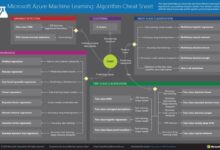
For advanced use cases, Azure Machine Learning offers a full lifecycle platform. Data scientists can prepare data, train models, deploy endpoints, and monitor performance—all within a unified workspace.
The service supports popular frameworks like TensorFlow, PyTorch, and scikit-learn. It also integrates with MLOps practices for model versioning, testing, and continuous deployment. Learn more at Azure Machine Learning official page.
Hybrid and Multi-Cloud Capabilities of msft azure
Not all organizations can move entirely to the cloud. msft azure addresses this with strong hybrid and multi-cloud support, allowing businesses to maintain on-premises systems while leveraging cloud benefits.
Azure Arc for Unified Management
Azure Arc extends Azure’s management plane to servers, Kubernetes clusters, and data services running anywhere—on-premises, at the edge, or in other clouds.
- Manage AWS EC2 instances from the Azure portal
- Apply consistent policies across environments
- Deploy Azure services like SQL Managed Instance on-premises
This unified control reduces complexity and enhances governance, making msft azure a strategic choice for hybrid IT strategies.
Azure Stack Family
The Azure Stack family—including Azure Stack Hub, Edge, and HCI—brings Azure services to on-premises data centers. This is ideal for industries with strict data residency requirements or limited internet connectivity.
For example, a manufacturing plant can use Azure Stack Edge to process data locally and send insights to the cloud. This enables real-time decision-making without relying on constant bandwidth.
Innovation and Future-Readiness with msft azure
msft azure isn’t just about today’s needs—it’s built for the future. Microsoft invests over $20 billion annually in cloud infrastructure and R&D, ensuring Azure stays ahead of technological trends.
Quantum Computing and Azure Quantum
Azure Quantum is a full-stack cloud ecosystem for quantum computing. It provides access to quantum hardware from partners like IonQ and Quantinuum, along with development tools like Q#.
While still in early stages, quantum computing has potential in fields like cryptography, drug discovery, and optimization problems. msft azure positions businesses to experiment and prepare for this next frontier.
Internet of Things (IoT) and Edge Computing
Azure IoT Hub and Azure IoT Edge enable secure connection, monitoring, and management of millions of devices. From smart factories to connected vehicles, msft azure powers intelligent edge solutions.
- Real-time data ingestion from sensors
- Edge AI for local processing
- Integration with Power BI for visualization
For example, a logistics company can track fleet conditions in real time and predict maintenance needs using Azure Stream Analytics and Machine Learning.
What is msft azure?
msft azure, or Microsoft Azure, is a cloud computing platform that offers a wide range of services including virtual computing, storage, networking, AI, and analytics. It enables businesses to build, deploy, and manage applications across a global network of data centers.
How does msft azure compare to AWS?
While AWS has a larger market share, msft azure excels in hybrid cloud integration, enterprise support, and Microsoft ecosystem synergy. Azure is often preferred by organizations already using Microsoft products like Windows Server, SQL Server, and Office 365.
Is msft azure secure?
Yes, msft azure is highly secure, offering built-in encryption, threat detection, identity management, and compliance with over 140 standards. Microsoft operates one of the most secure cloud infrastructures in the world.
Can I use msft azure for AI and machine learning?
Absolutely. msft azure provides both pre-built AI services (like Cognitive Services) and advanced tools for custom machine learning (Azure Machine Learning), making AI accessible to developers and data scientists alike.
Does msft azure support hybrid cloud environments?
Yes, msft azure offers robust hybrid capabilities through Azure Arc and the Azure Stack family, allowing seamless management of on-premises, edge, and multi-cloud resources from a single control plane.
In conclusion, msft azure is more than just a cloud platform—it’s a strategic enabler for digital transformation. With its global reach, enterprise-grade security, deep integration with Microsoft tools, and leadership in AI and hybrid solutions, it empowers organizations to innovate faster and operate smarter. Whether you’re migrating legacy systems, building modern apps, or exploring emerging technologies, msft azure provides the foundation to succeed in the digital age.
Further Reading: